|
|
# 2025 Polycotton Waste Valorization |
|
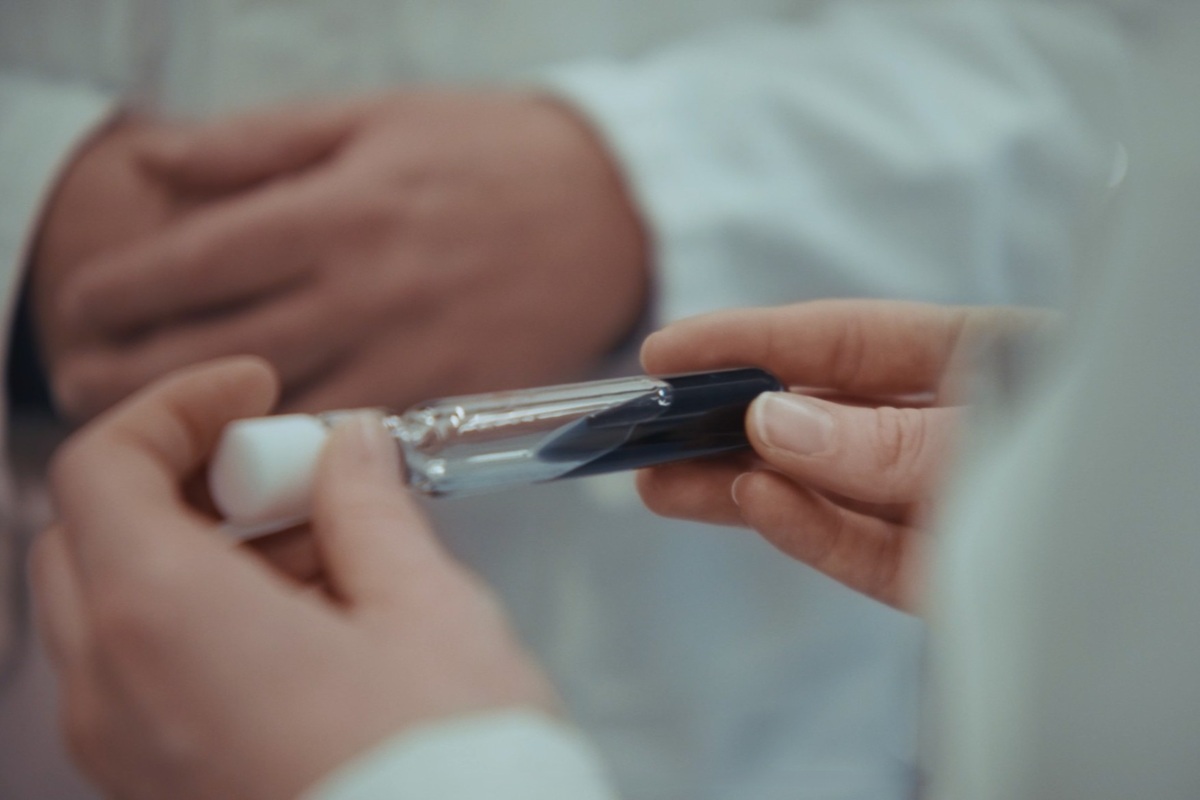
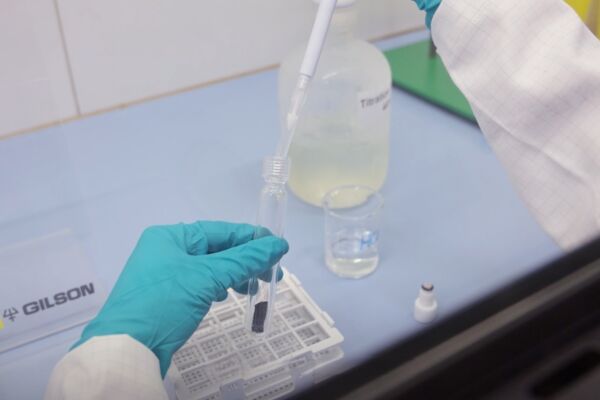
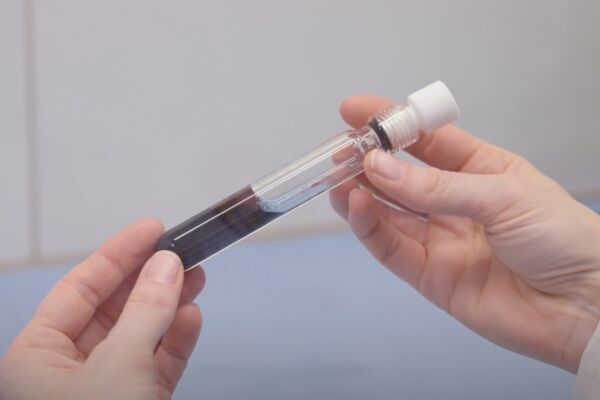
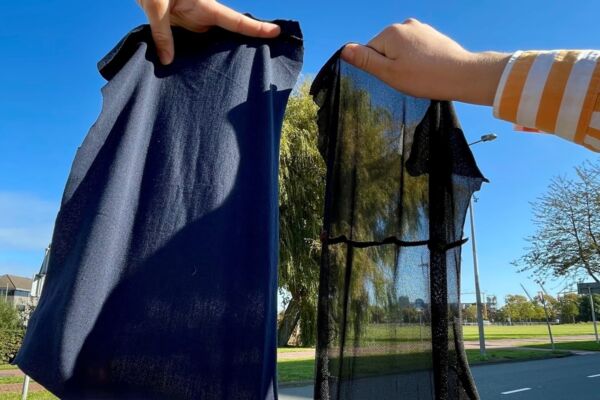
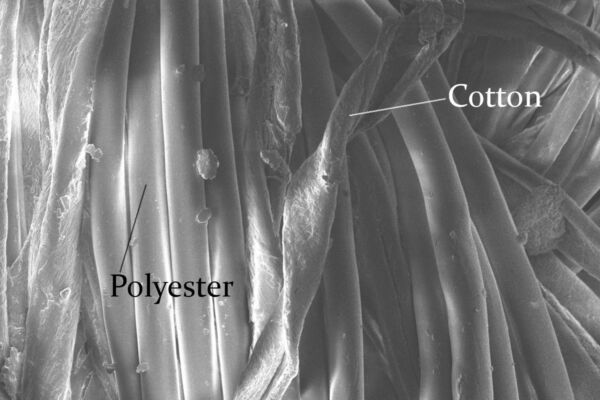
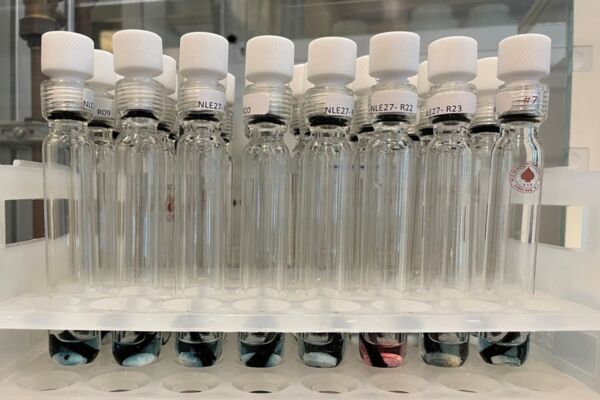
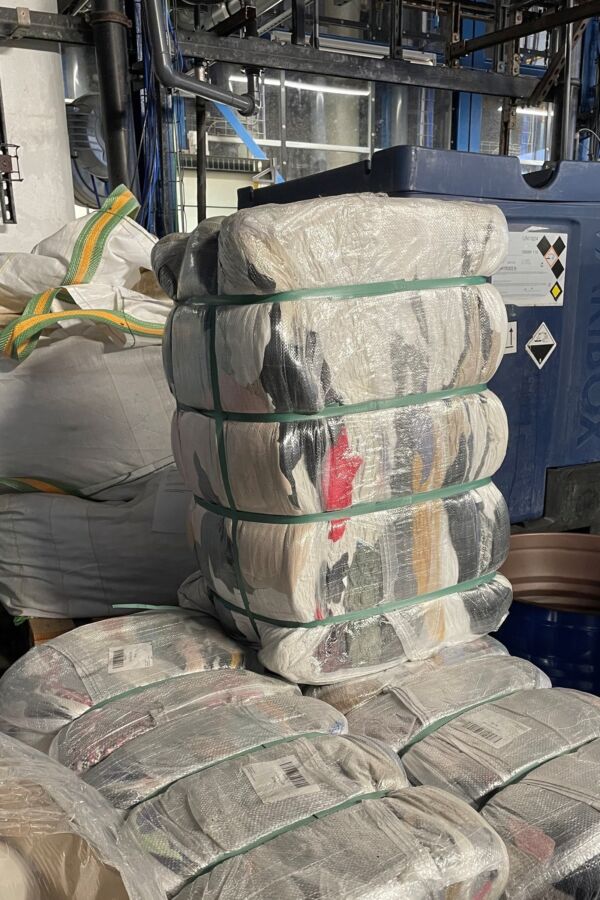
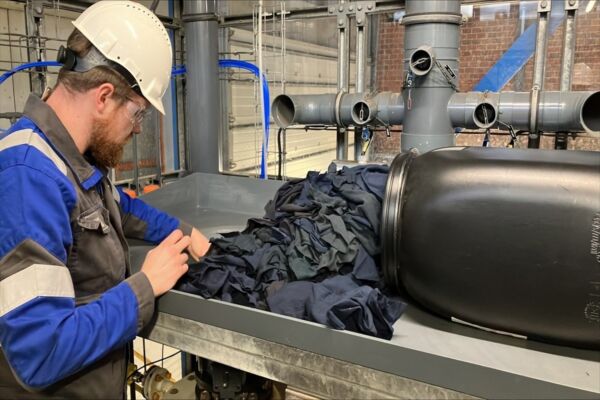
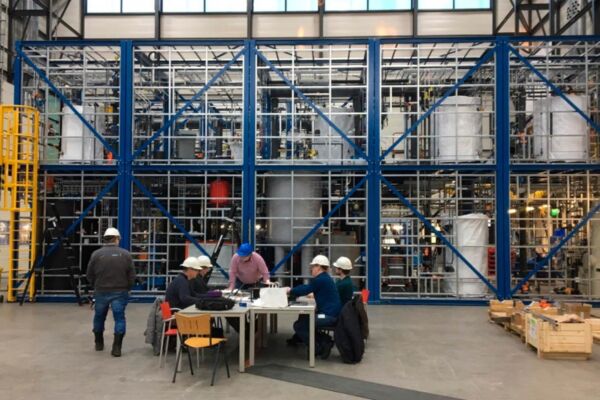
This process tackles one of the hardest textile waste streams: polycotton blends. It uses super-concentrated hydrochloric acid at room temperature to separate polyester for chemical recycling and depolymerises cotton into high-yield glucose. This glucose is produced entirely from waste, avoiding competition with food crops. The acid is not neutralised but recovered and reused, making the method both economical and scalable. The outputs feed circular polymer production, offering a sustainable alternative to landfill, incineration, and fossil feedstocks

Nienke Leenders finalized two master programs at the University of Groningen, the Netherlands, in 2022: Chemical Engineering and Industrial Engineering and Management. Nienke is currently a 3rd year PhD student in the Industrial Sustainable Chemistry Group, University of Amsterdam, the Netherlands, focusing on polycotton waste valorization. Her research investigates the acidic hydrolysis of cotton in polycotton waste materials, the further conversion to platform chemicals and the rigidity of these technologies.more

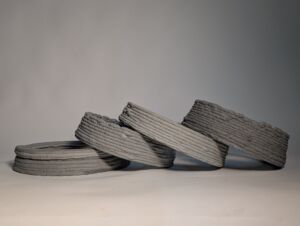
IAAC – Institute for Advanced Architecture of Catalonia
Carbon-storing architectural system using 3D-printed biochar concrete
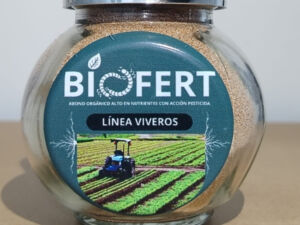
Universidad de Ingeniería y Tecnología – UTEC
Converting EPS plastic waste into biofertilizer using mealworm digestion