Geothermal Aquaculture Solution
Project Overview
University
Year
About
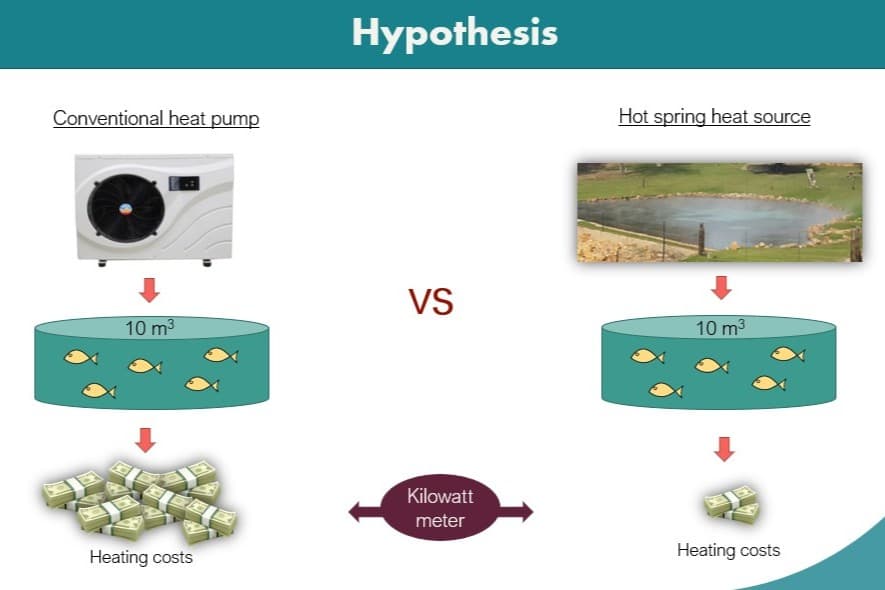
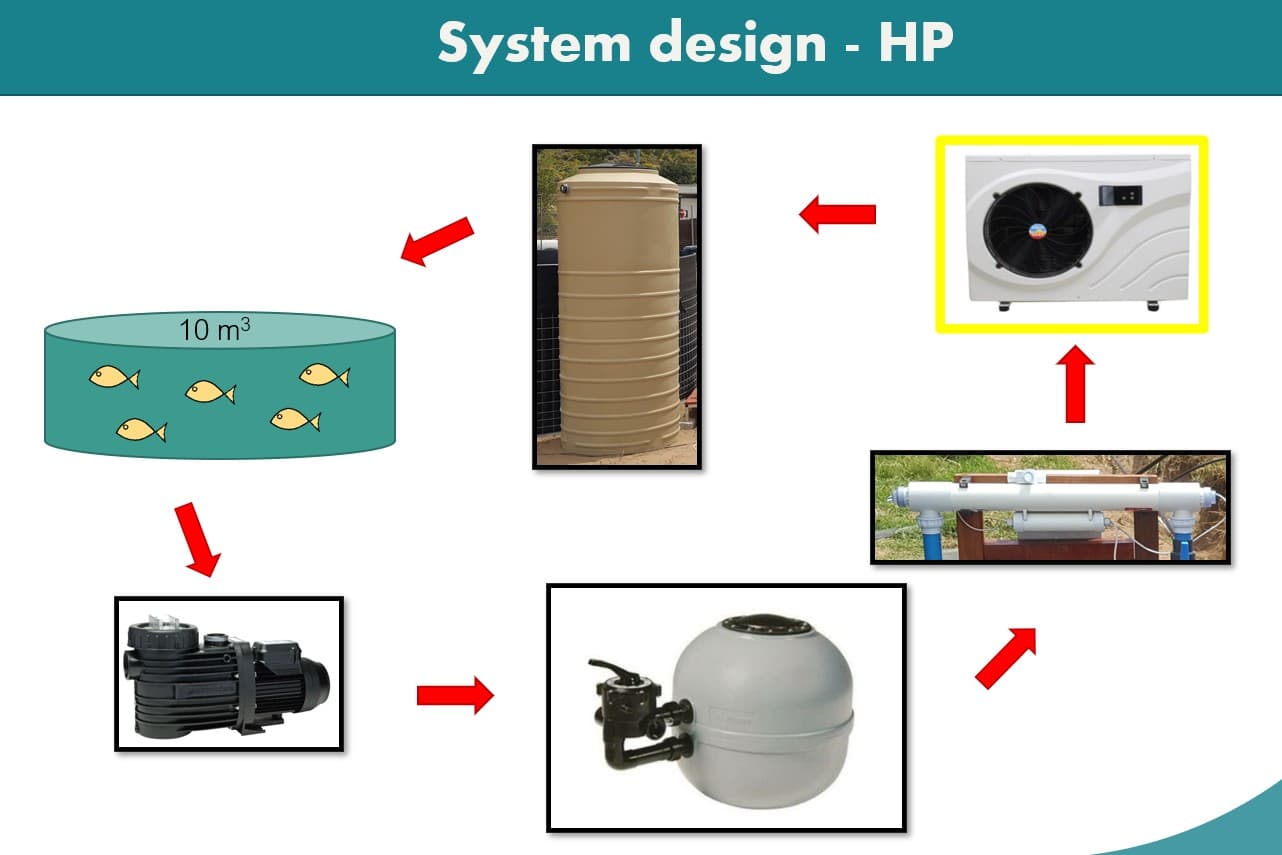
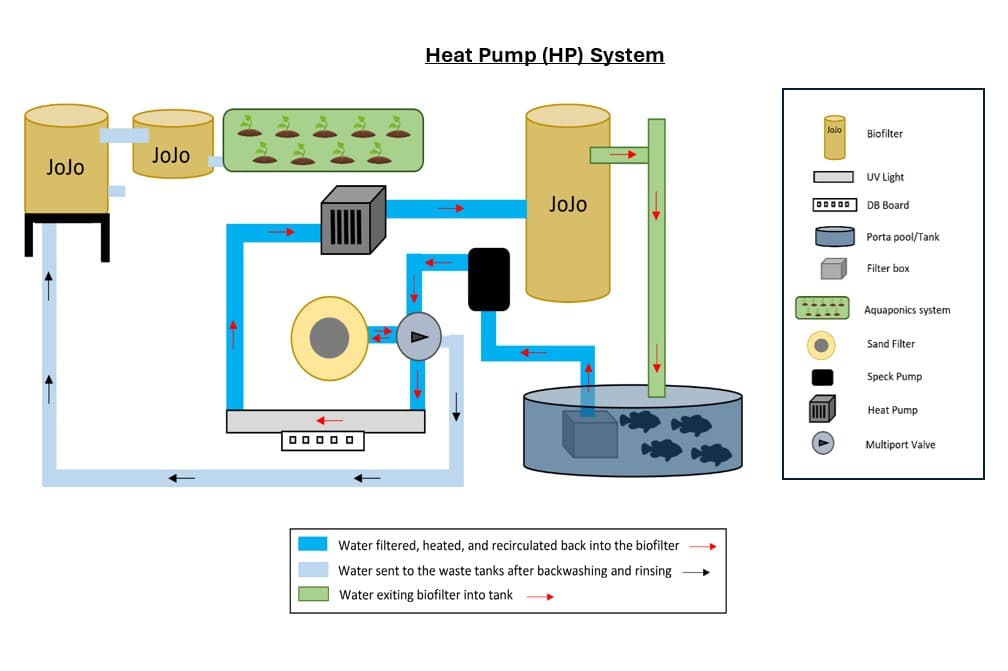
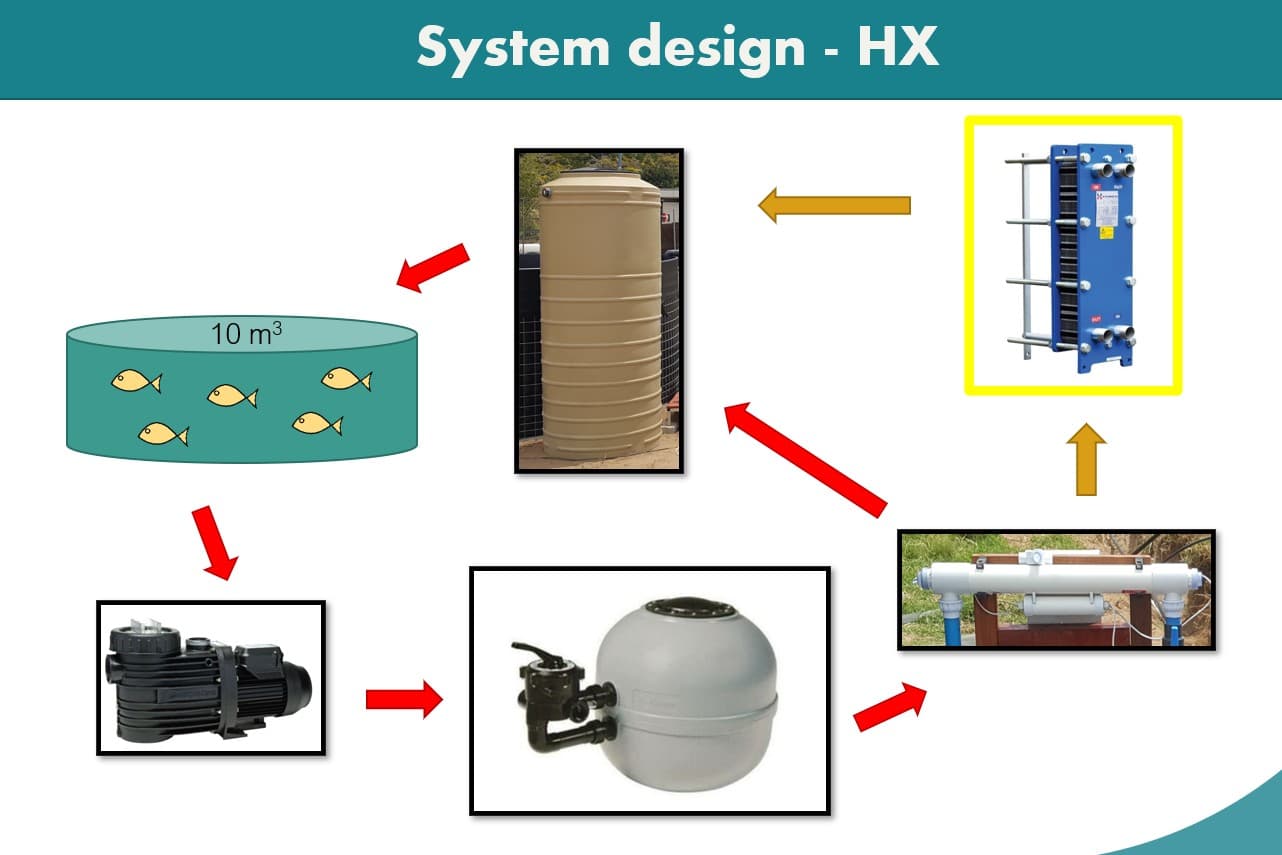
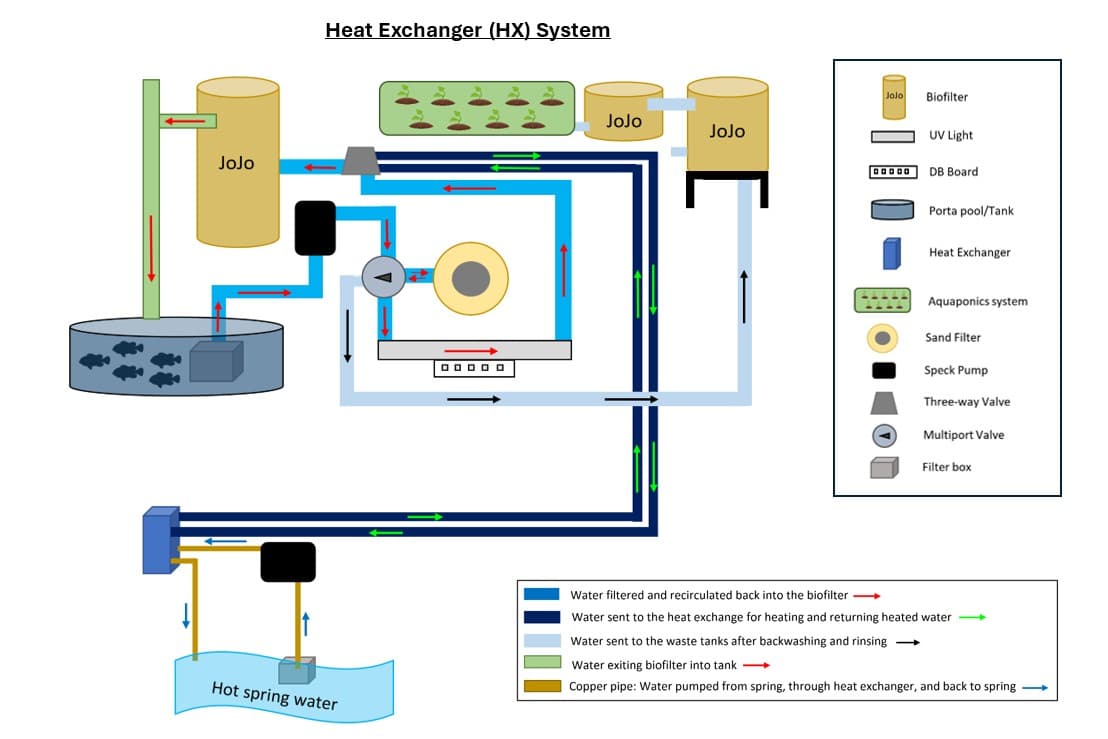
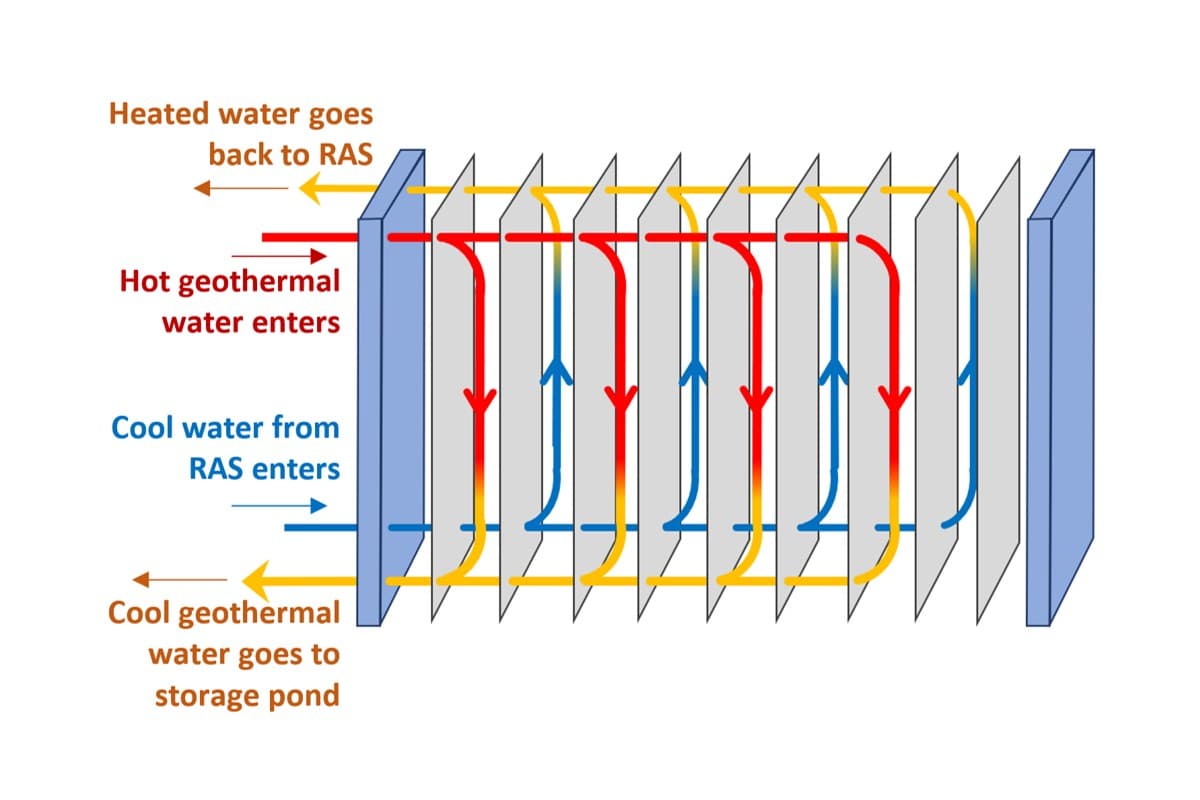
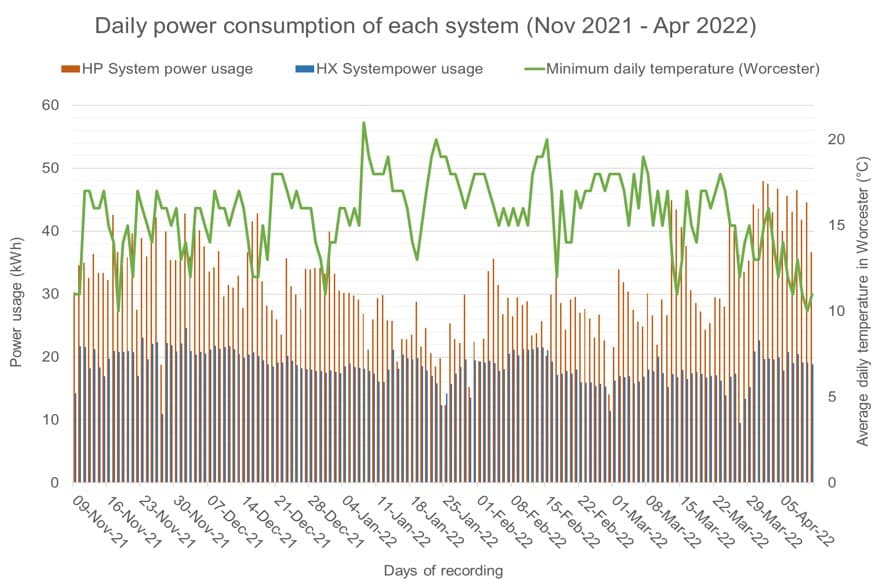
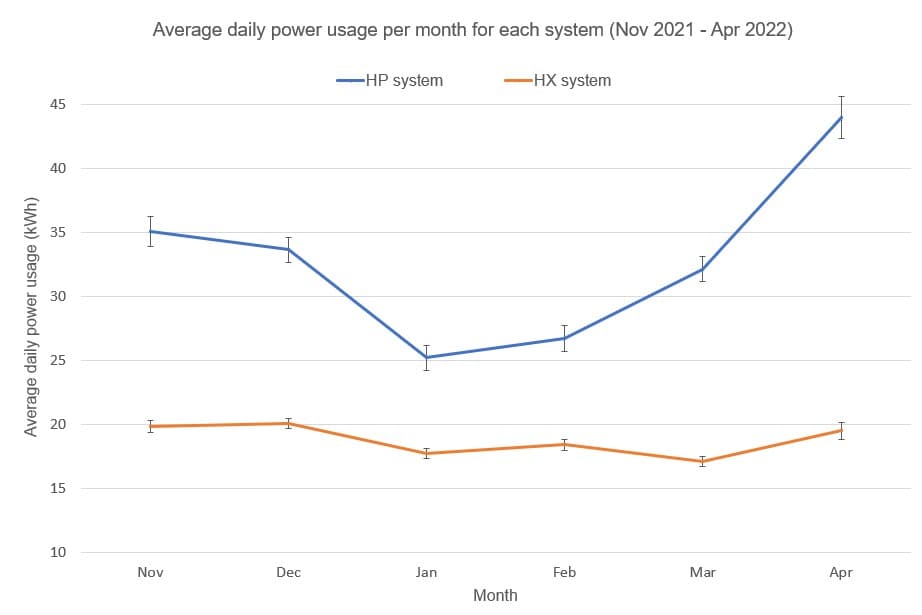
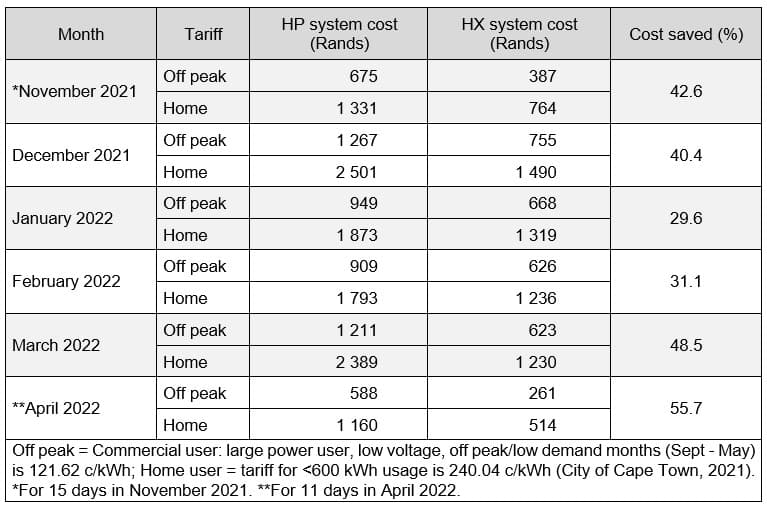
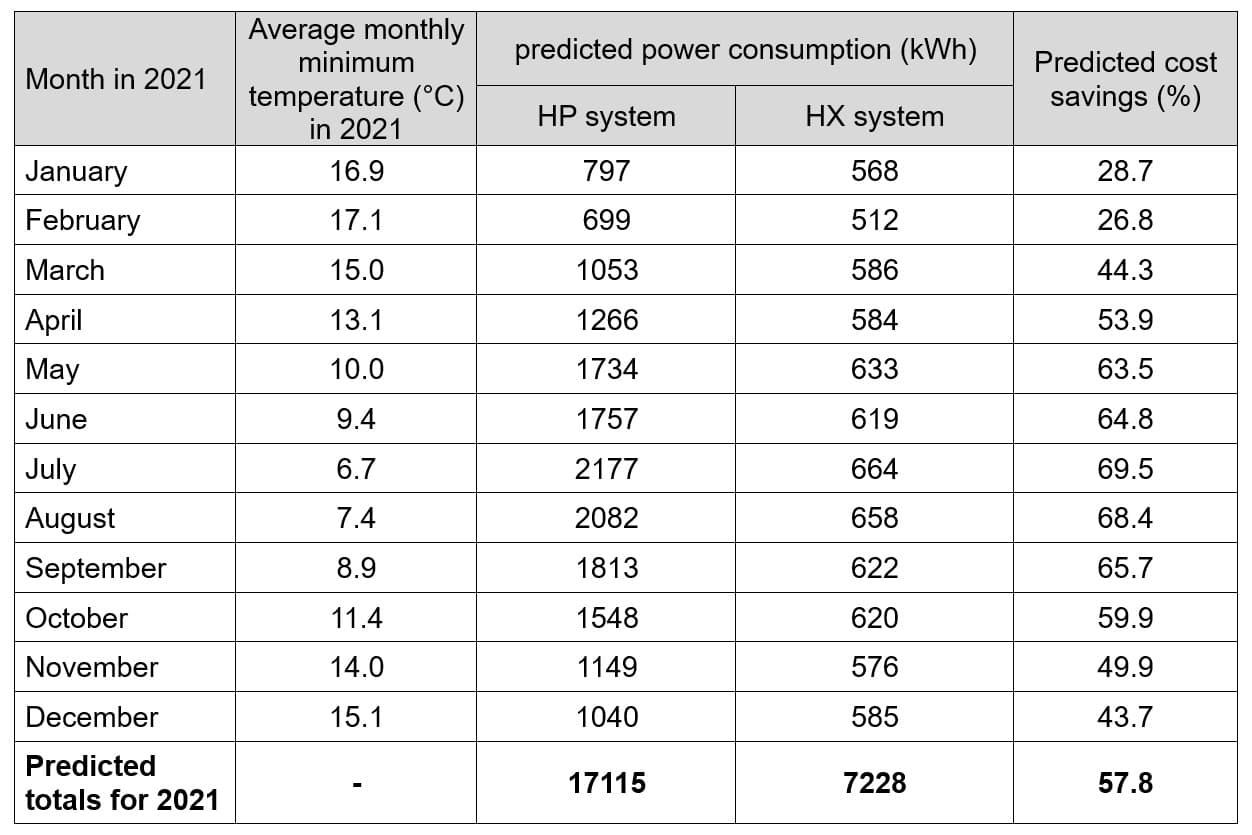
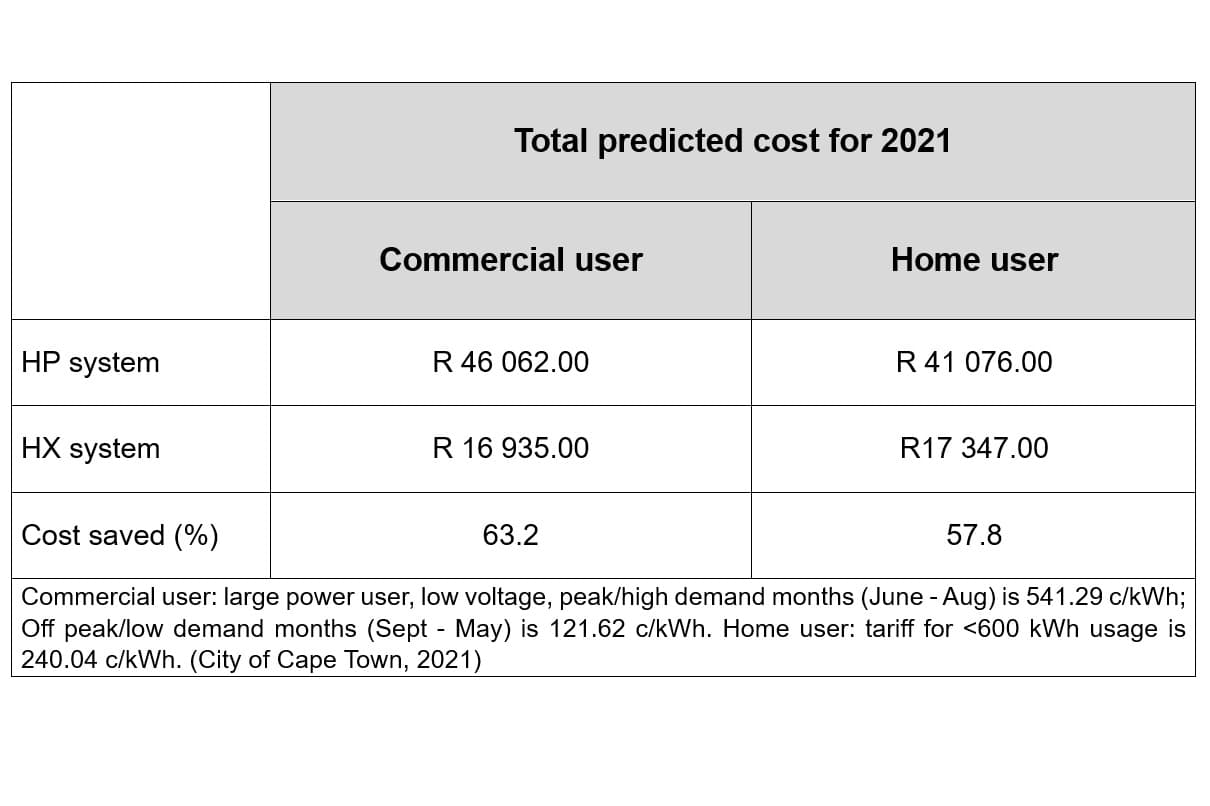
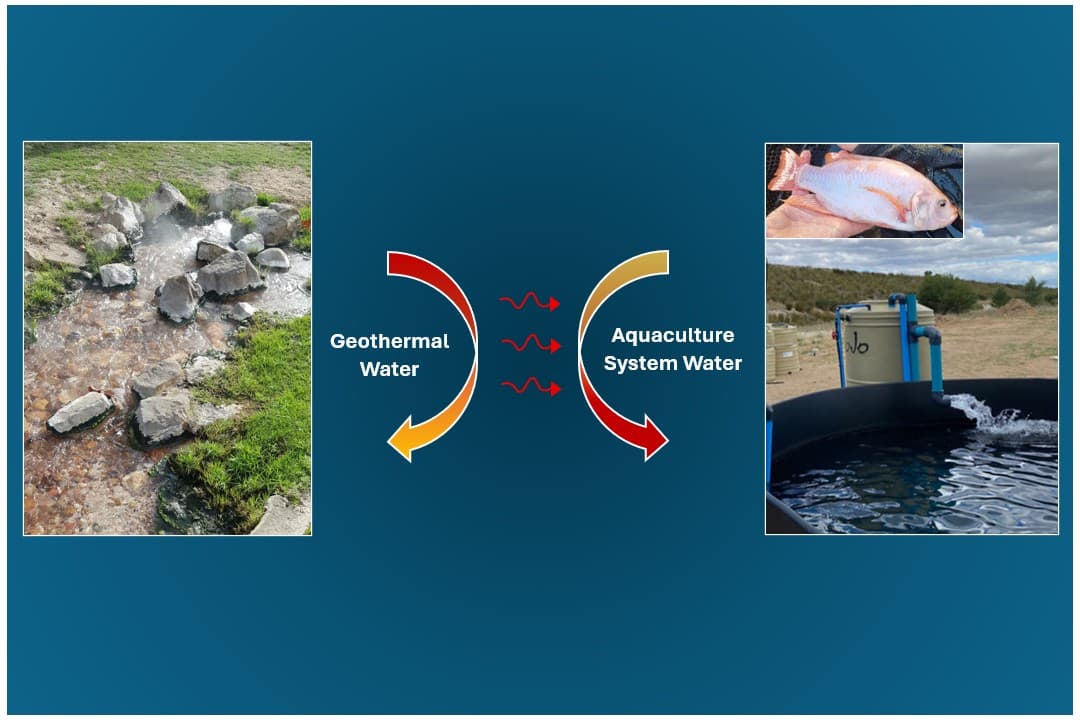
This system uses heat from geothermal springs to maintain optimal temperatures in aquaculture units without consuming water or fossil fuels. A heat exchanger transfers thermal energy to fish tanks only when needed, supporting warm-water species in fluctuating climates. By reducing energy costs by at least 50%, it offers a reliable, sustainable alternative to conventional heating. The approach is scalable; from rural farms to commercial aquaponics it supports greener food systems with reduced environmental impact and improved year-round production
Team

Tassin Jackson

Lyle Wilson

Dr. Khalid Salie
Supervising Professor
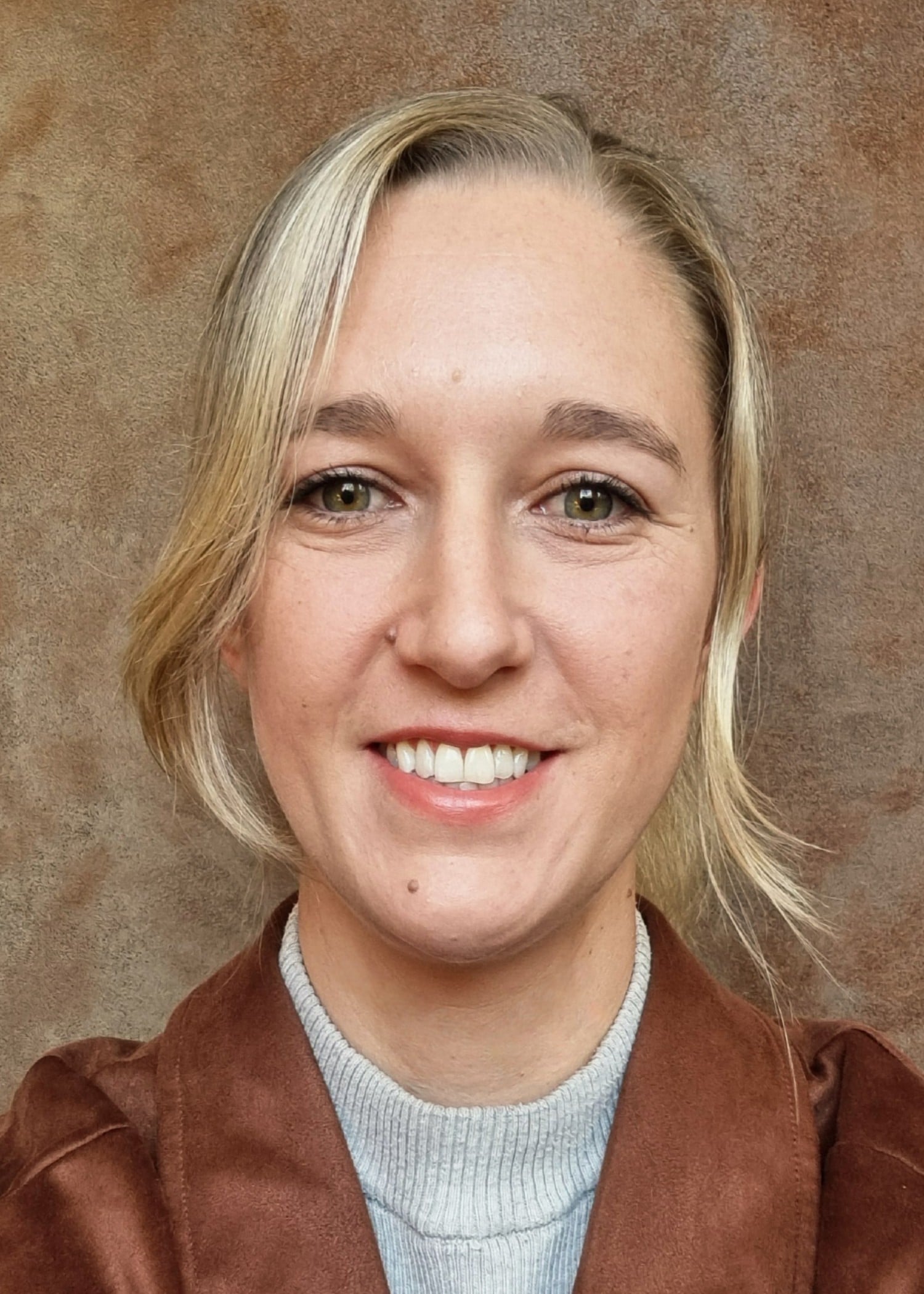
Samantha Joao
Driven by a love for animals and a special fondness for aquatic life, Ms. Joao earned a BSc in Aquaculture, an MSc in Agriculture, and is currently pursuing a PhD investigating the genetic mechanisms underlying growth in dusky kob, a South African finfish species. She has gained hands-on aquaculture experience in New Zealand and the USA and led a pilot study exploring geothermal energy as a sustainable resource for aquaculture in South Africa. By integrating her expertise in aquaculture, nutrition, biometry, and genetics, she adopts a multidisciplinary approach to develop research solutions that are both innovative and practical.
Gallery